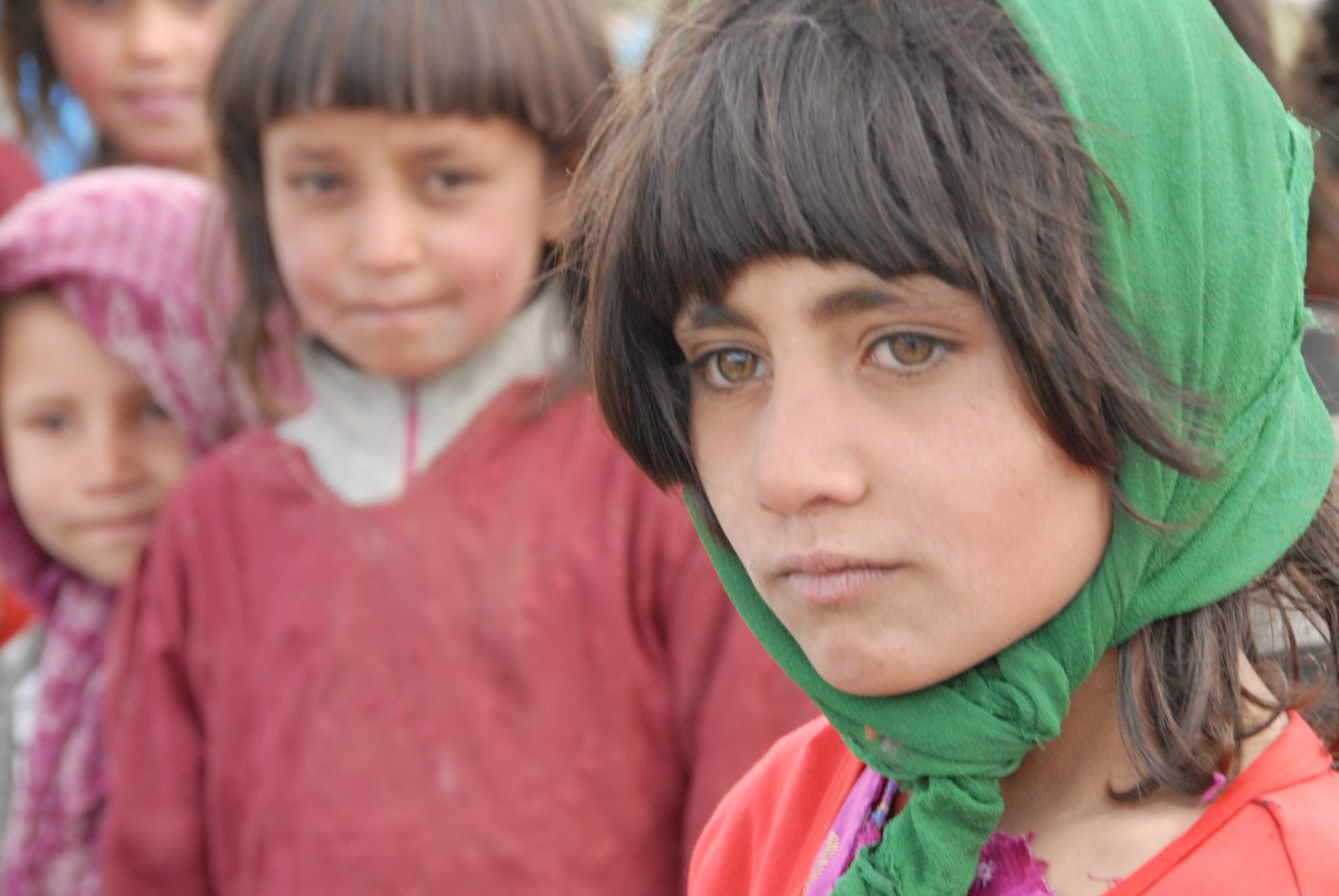
Unicef says early marriage constitutes a violation of a girl’s human rights and is advocating national campaigns to raise the legal age of marriage. Although the Afghanistan Constitution forbids the marriage of girls under the age of 16, one study by Unicef shows that between 2000 to 2008, the brides in 43 percent of Afghan marriages were under 16.
This issue affects more than 50 million girls worldwide according to the United Nations and still little is done by the West which makes its human rights policies as one of the main tenants of democracy. But simply putting these values into practise seems to be more difficult in Afghanistan than going to war with that country.
Before the Afghan war, women rights were one of the main reasons to justify the war and to go in and get rid of the Taliban regime but soon everything was forgotten. Women were helped a little and have been failed and not become part of the democratisation process of the country.
Although Unicef is calling on Governments and local groups to discourage child marriages by educating parents and young people about the implications, there are not much resources being invested. Recently, we heard in the BBC Radio World News that, daily women’s hour programming on radio was cut due to lack of financial support. I wonder how can parent and women be educated and empowered if the very basic way of reaching women does not get resources that are warranted.
According to statistics young marriages have contributed to high rates of death among women, infant mortality, and particularly maternal deaths have all increased. And at 44 years, an Afghan woman’s life expectancy is one of the lowest in the world.
Many people, parents, teachers, and local leaders take part in workshops and meetings organised by local NGOs in Afghanistan’s remote towns and villages. But still more has to be done to promote children’s rights to education and self-determination. There is a lot of work to do for local and international NGOs for the awareness raising campaigns throughout the country. More awareness of the subject will make the issue prominent locally as well on the international level. It is not easy, as that might considerable time to root out the tradition of child marriage and affect cultural change for the better.
And here again there is a lot to do for the Western Governments as with investment of resources this issue can be tackled with care and sensitivity.
The law which was passed in 2009, ‘Elimination of Violence against Women’ should be implemented. This is the only possible way which with awareness policies can help the country to come to terms with its basic human rights.
On this fundamental issue, I want to hear loud voices of the leaders of the Western countries, who take any opportunity to speak out, if human rights are violated in other countries when their interests are involved. If these leaders are not allowing an eight years old girl to marry a forty or sixty years old man in their own countries than that should equally apply as well to Afghanistan or other countries where young girls are being married to older men. There should not be any place for hippocracy as it is costing the lives of children young as five years old.
We should all demand an end to child marriages which condemns millions of young girls to a life of misery and pain as early marriage and forced marriage are the two most common forms of violent behaviour against women and girls.
Copyright Semra Eren Nijhar – All rights reserved
 Semra Eren-Nijhar